
официальный сайт в Казахстане Olimp Casino.3800 (2)
May 7, 2026Официальный сайт букмекерской конторы Мелбет предлагает бонусы на ставки, а также отзывы и обзор.
May 7, 2026Understanding Randomness in Gambling
One of the most pervasive myths in gambling is the belief that outcomes are predictable based on previous results. Many players assume that if a game has not produced a win in a while, they are “due” for a win. This misconception stems from a misunderstanding of randomness. Each spin of a slot machine, roll of dice, or hand of poker is independent of previous outcomes, governed by probability and chance rather than a pattern. Recognizing this fact can help gamblers adopt a more realistic view of their chances. Additionally, players should consider looking for betting sites welcome bonus offers to further enhance their experience.
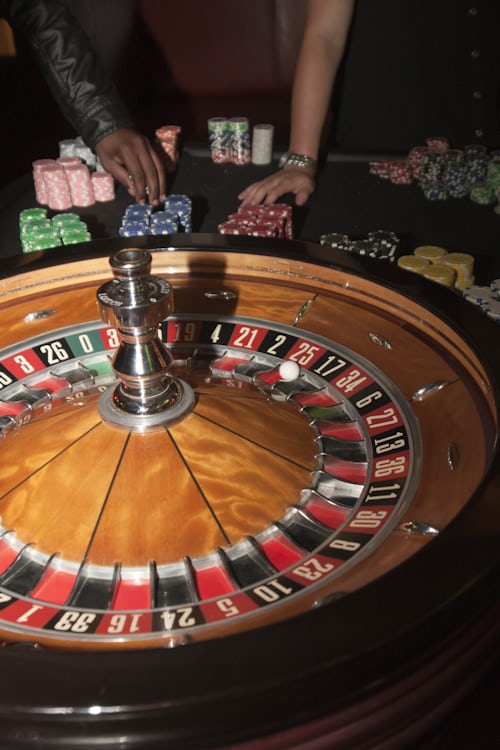
Gamblers often fall prey to the Gambler’s Fallacy, which suggests that future probabilities are altered by past events. For instance, someone might think that if a roulette wheel has landed on red several times in a row, black is more likely to appear next. In reality, each spin is separate and has the same odds regardless of prior results. Understanding this can greatly influence betting strategies and expectations, ultimately leading to a more informed and responsible gaming experience.
Additionally, random number generators (RNG) ensure fairness in digital gambling environments. These systems create results that are statistically random, eliminating predictability. Players should be aware that online slots and casino games utilize advanced technology to maintain the integrity of the game. By debunking these myths, gamblers can focus on strategy rather than superstition, allowing for more rational decision-making during play.
The Illusion of Skill in Games of Chance
Another common myth is the belief that skill can significantly influence outcomes in games of chance, such as slots or lotteries. While some games, like poker or blackjack, allow for strategic play, many popular gambling options rely solely on luck. This myth can lead players to invest more time and money, thinking they can control the game through skill, which is simply not the case for most games.
The allure of skill-based gambling often overshadows the reality that, in many instances, the house always holds an edge. For example, while skilled poker players can increase their odds against less experienced opponents, slot machines operate purely on chance. Understanding the distinction between skill and chance is crucial for gamblers to set realistic expectations and avoid significant losses.
In competitive settings like poker, players often believe that their abilities can outweigh the element of chance. While skill can certainly lead to better decision-making and improved outcomes over time, it cannot eliminate the randomness of card draws or chip distribution. Acknowledging the boundaries between skill and chance can promote a healthier mindset among gamblers, encouraging them to enjoy the game rather than chase unattainable outcomes.
The Myth of “Hot” and “Cold” Streaks
The concepts of “hot” and “cold” streaks are deeply ingrained in gambling culture. Players often believe that certain machines or tables are “due” for a win or are currently “hot,” leading to the misconception that they can identify better chances based on previous results. This belief can skew a player’s understanding of the true odds, which remain consistent regardless of recent outcomes. By falling into this trap, players may waste time and money pursuing these illusory trends.
Casinos are aware of these beliefs and often use them to their advantage. Machines that appear to pay out frequently can attract more players, but this does not change the underlying odds. Every game has a defined return-to-player (RTP) percentage that remains stable over time. Instead of focusing on streaks, players should educate themselves about the game’s odds and paytables to make informed decisions.
As players learn more about the statistical principles behind gambling, they can recognize that streaks do not impact future outcomes. Relying on the notion of “hot” and “cold” can lead to emotional decisions and poor betting strategies, ultimately detracting from the enjoyment of gambling as a form of entertainment. By prioritizing understanding over myth, gamblers can enhance their experiences and make better choices in their gaming pursuits.
Understanding Gambling as Entertainment, Not a Money-Making Scheme
A significant myth surrounding gambling is the belief that it is a viable way to make money. Many individuals enter casinos or engage in online betting with the hope of striking it rich, only to find that the reality is quite different. Gambling should be viewed primarily as a form of entertainment rather than a source of income. This shift in mindset can lead to more responsible gaming habits.
The odds are always in favor of the house, and while there may be occasional big winners, these instances are rare and not representative of the average experience. Recognizing that gambling is a game of chance can help players set a budget and stick to it, treating their expenditure as a cost of entertainment rather than an investment. This approach helps mitigate the financial risks associated with gambling.
Moreover, framing gambling in this way encourages players to enjoy the experience, fostering a more positive outlook. By treating it as a recreational activity, individuals can indulge in the excitement without the pressure of winning. This healthy perspective can enhance the enjoyment of gaming while minimizing the potential for addiction and financial loss, which can arise from treating gambling as a business venture.

Conclusion and Resources for Responsible Gambling
In summary, debunking these popular gambling myths can significantly improve one’s understanding of gambling dynamics. By recognizing that luck, probability, and the house edge dominate the gambling landscape, individuals can adjust their expectations accordingly. This clarity can enhance both the enjoyment and responsibility of their gaming experiences, allowing for a more sustainable approach to gambling.
For those interested in exploring gambling further, resources are available to promote responsible gaming. Many casinos and online platforms provide educational tools and information about maintaining healthy gambling habits. Understanding the importance of setting limits, recognizing signs of problem gambling, and seeking help when needed is essential for all players.
